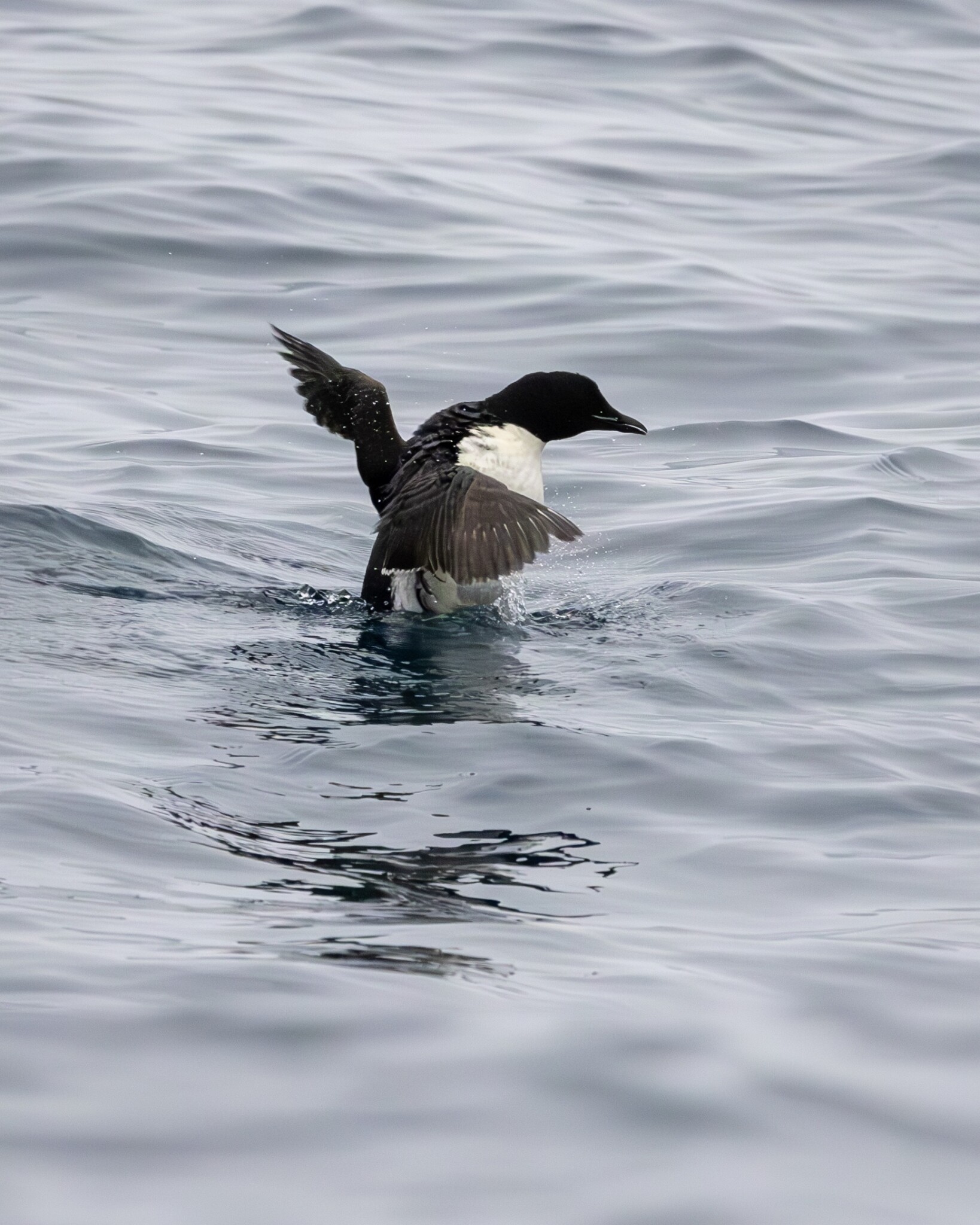
Thick-billed murre. Photo credit Bruce Goodwin
It was a cold, misty day, roughs seas, questionable weather for a Zodiac outing in the High Arctic. From the ship, with fog and low visibility, there was no way to catch sight of the colony of thick-billed murres, perched on a narrow, steep cliff above the icy waters of Cape Hay. I was on an expedition cruise with Road Scholar and Adventure Canada to Greenland and the Canadian Arctic, a long way to go in hopes of seeing them.
I’d read about the thick-billed murres several years ago and was intrigued. Stocky black and white sea birds, they are in the auk and penguin family. When it’s time to fledge, they plunge off the cliff and glide down to the water. Because they don’t yet have their flight feathers, they swim, accompanied by their male parent, 1000 km down the coast to Labrador, Nova Scotia and New England. Along the way, they will encounter glaucous gulls, ravens and gyrfalcons, predators lying in wait, not to mention tangles of fishing gear, oil spills, sea ice and stormy weather. Imagine the courage it takes to throw yourself off that cliff.
Because they don’t yet have their flight feathers, they swim 1000 km down the coast to Labrador, Nova Scotia and New England.
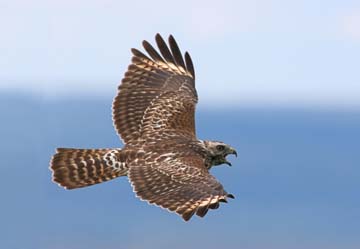
The champion migrator, the Arctic tern, flies over 48,000 miles from Antarctica to the Arctic Circle and back. Every year. bar-tailed godwits make the longest non-stop journey of 7,000 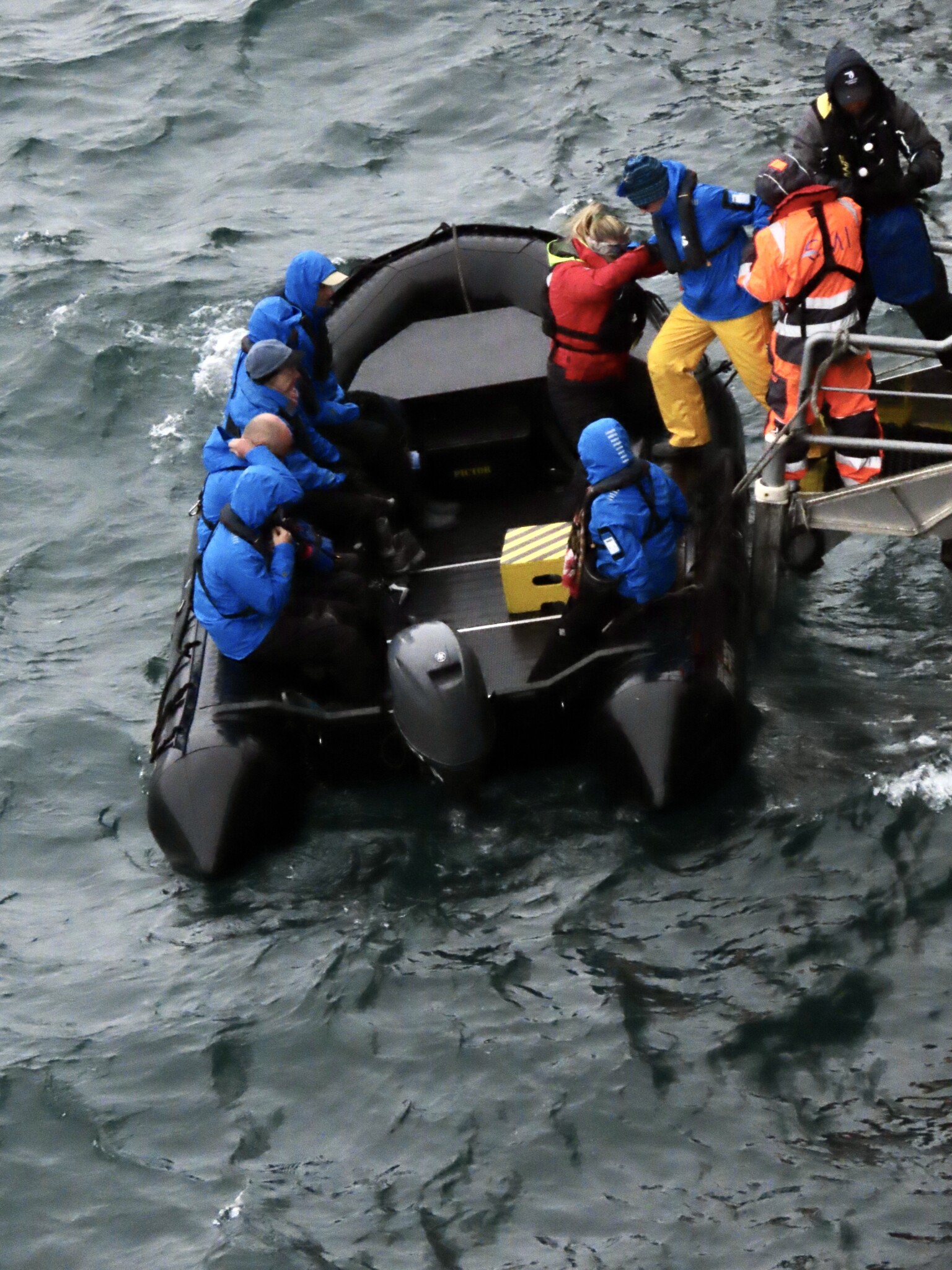 miles from New Zealand to Alaska. It takes them seven days and they stop once at the Yellow Sea to refuel. The calliope hummingbird is the smallest migrator, traveling 5,000 miles roundtrip from British Colombia to Mexico.
It’s a leap of faith (or perhaps a flight of faith), these winged migrants who year after year make the journey, often over open seas, trusting that where they are heading will provide them with the food and shelter they need to survive, mate and reproduce.
Migration is a difficult proposition fraught with existential challenges. Why take the risk?
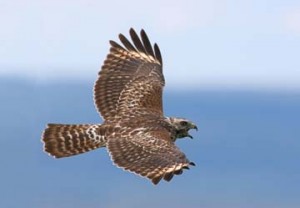
Birds migrate because of limited resources. Not everyone can be sustained in the same place. Unfortunately, we’ve made things even more perilous. Destruction of habitat. Light pollution from skyscrapers, highways and homes. Electrocution. Collisions with cars and airplanes. Change in weather patterns due to global warming: drought, hurricanes, fires, tornadoes. Imagine a small songbird weighing less than half an ounce confronted with Hurricane Milton.
It doesn’t take an economist or historian or ornithologist to see that people, like birds, are suffering from climate change. Patterns of migration are shifting because they are desperate. They are not impetuous or short-sighted; they are not taking on a perilous journey out of whimsy or ideology. They leave their homes because what other choice do they have?
I am a seventh generation American, but I am also Jewish, so I grew up hearing stories about twelve-year-old boys in steerage, heading to America, then peddling rags, sending for family members one by one as they were able. The consequences for those Jewish families left behind were devastating. These are the same stories we hear today about Afghanis and Salvadorans, Syrians and Venezuelans. Somalis who drown in flimsy rafts praying for a better future for their families. Haitians and Ecuadorians who risk the dangerous Darien Gap to reach the US.
Despite the rough seas and biting cold, we headed out in our Zodiacs. After a bouncy, wet ride, there they were, hundreds of thick-billed murres clustered on the steep cliffs, others floating or diving in the icy water, all preparing for their long trek. Their courage is an inspiration.
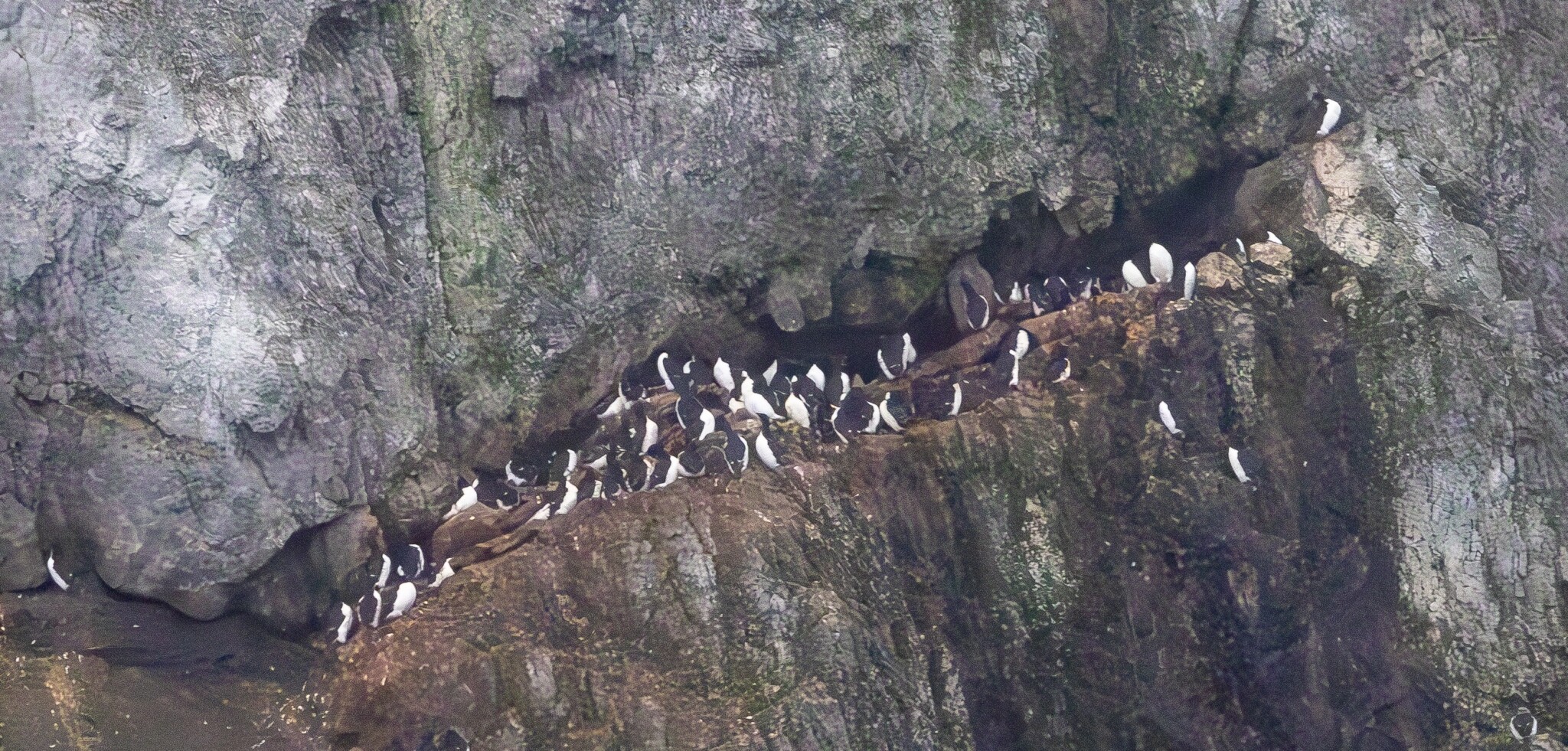
Thick-billed murres at Cape Hay. Photo Credit Bruce Goodwin
Back home, I welcome the birds to my backyard. I fill my feeders with seed and nuts, mealworms and suet. I set out clean, cool water for them to drink and bathe in. I delight in their song, even the scrub jays who are annoying with their squawking and how messy they are with scattering the bird food all over the ground. The goldfinches and chickadees, juncos, Bewick’s wrens and hummingbirds are here. In the spring, there will be robins and cedar waxwings, the sweet Pacific-slope flycatchers.
Even with the inherent risks, people and birds will continue to migrate. Whether they survive—or perhaps even thrive—is up to us.
If you’re interested in volunteering to help refugees being settled in San Luis Obispo County, please check out SLO4Home.
I also invite you to read related blogs: Iceland: How Adversity Might Save the Planet and A Call to Prayer: Morocco.
My novels, Thin Places and Cross Body Lead are available locally at Volumes of Pleasure and wherever books are sold.



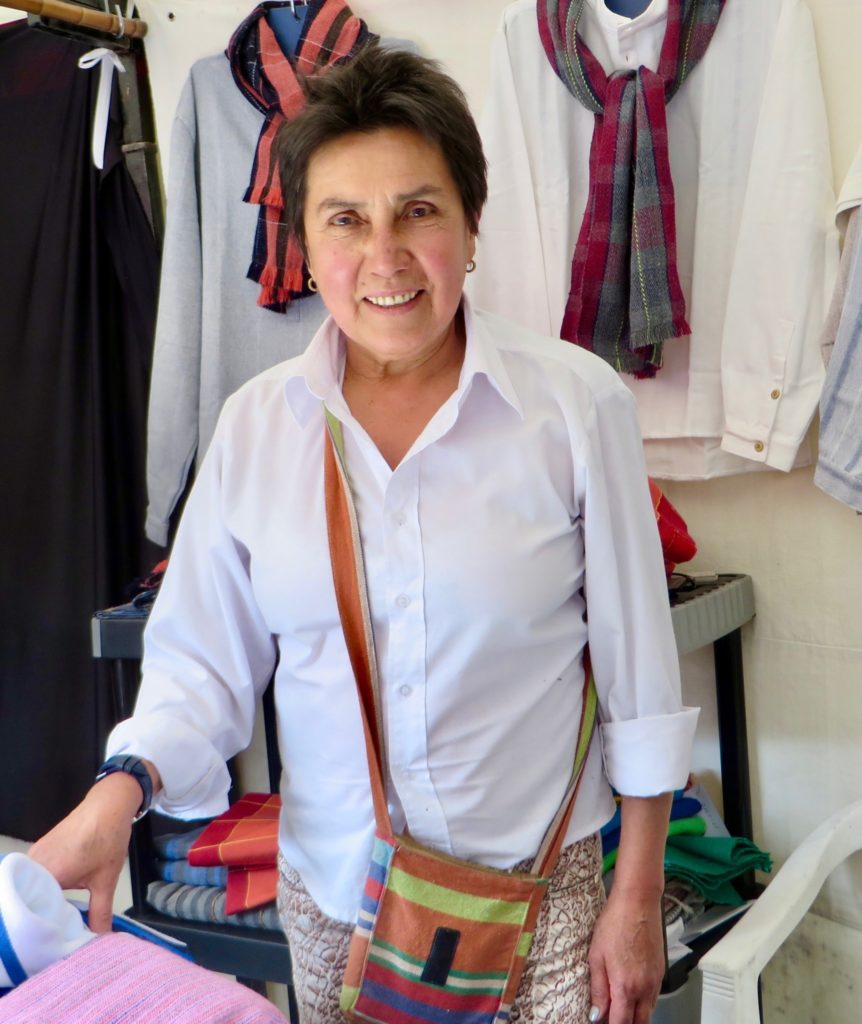



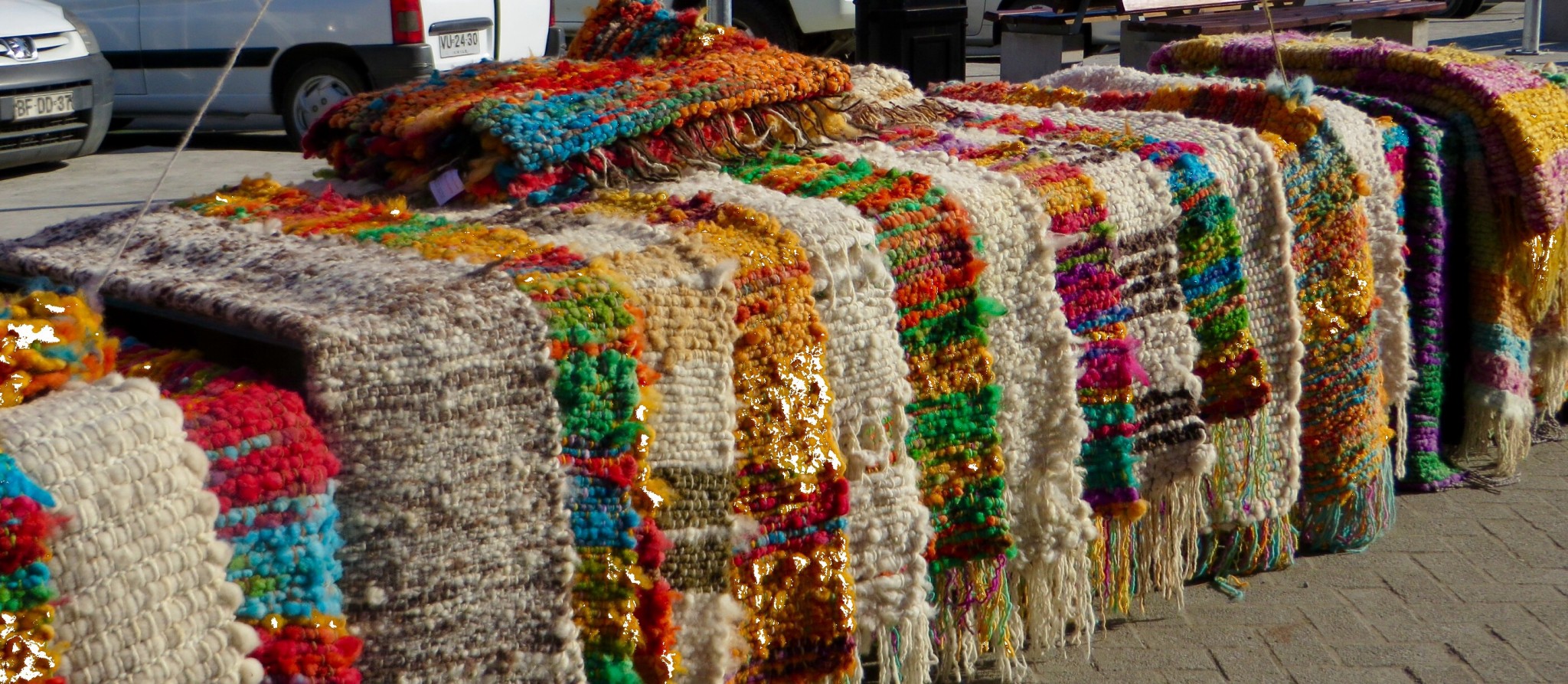
 ht hours a day. At night, they go home and continue their work, weaving for the tourist trade.


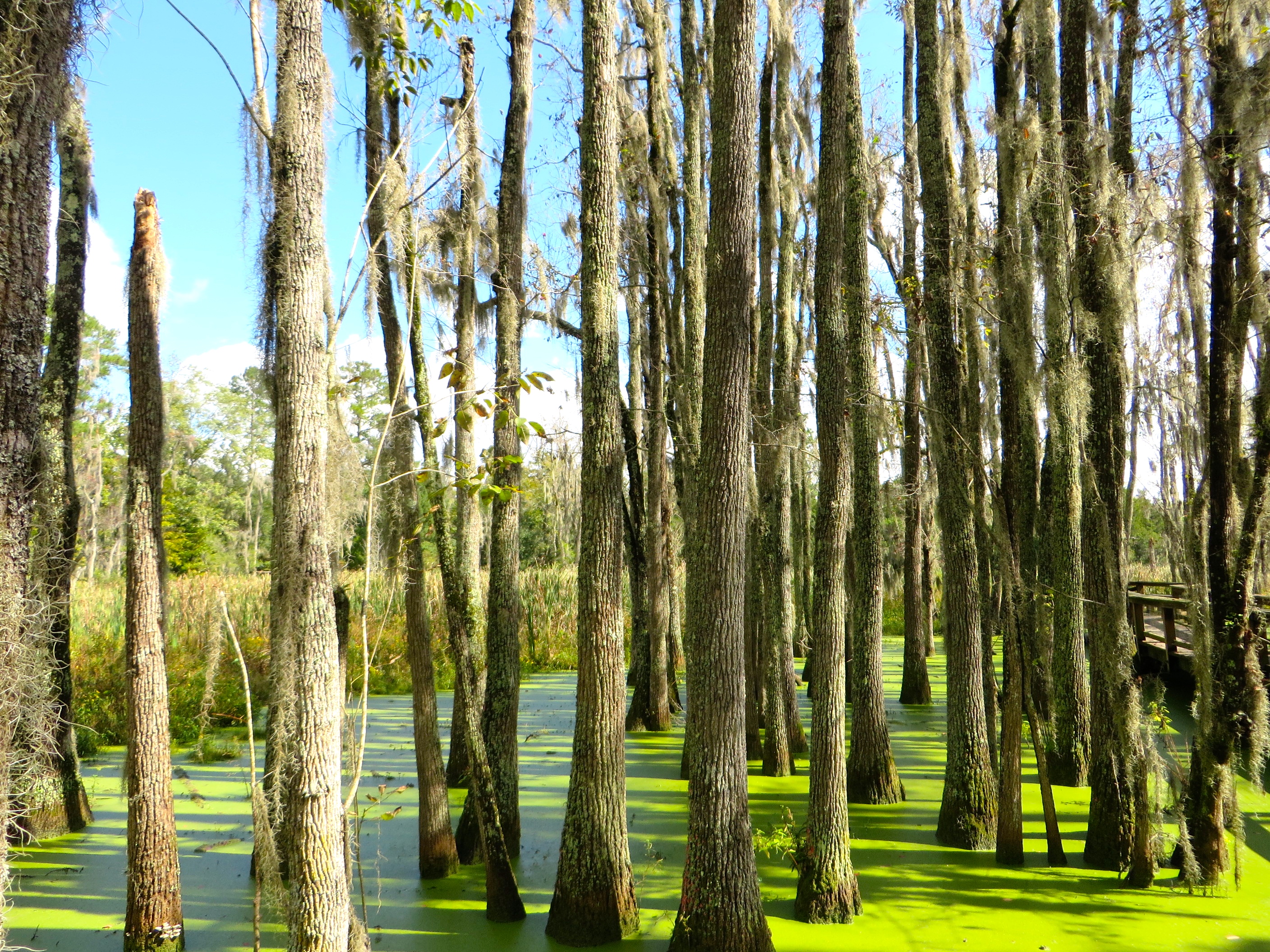
 ice. You know they’re watching your every step, languishing, unassuming, sluggish. Poised to snap off a few fingers or a foot. If you get too close.
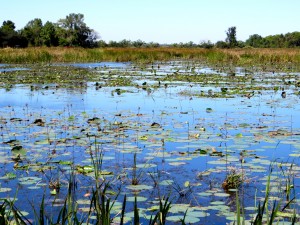 It makes you wonder how much the physical landscape of childhood molds our psyches. Sculpting the possibilities, limiting our vision. The simmering, relentless heat of the South. Ghosts and vampires and sorcery. Dank, claustrophobic spaces. Standing on the edge of a marsh in the Savannah Wildlife Refuge, I swear the reeds and the lil
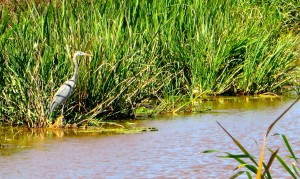 y pads ached for a breath of wind, just enough to cause a ripple in the water.